The VFX expert and producer discusses the precision, speed, and the power of the Leica RTC360
In the evolving landscape of episodic television, LiDAR scanning has become an indispensable tool in VFX workflows. Once reserved for high-budget feature films, LiDAR is now a necessity for rapid turnaround schedules, complex digital set extensions and advanced CG environment interaction that requires precise camera tracking. Across multiple productions I’ve been fortunate enough to be Senior VFX Supervisor on—including The Terror: Infamy, Surface, and Goosebumps—LiDAR scanning has become a necessity for my team to meet the current production demands.
Historical Recreation and Digital Set Extensions
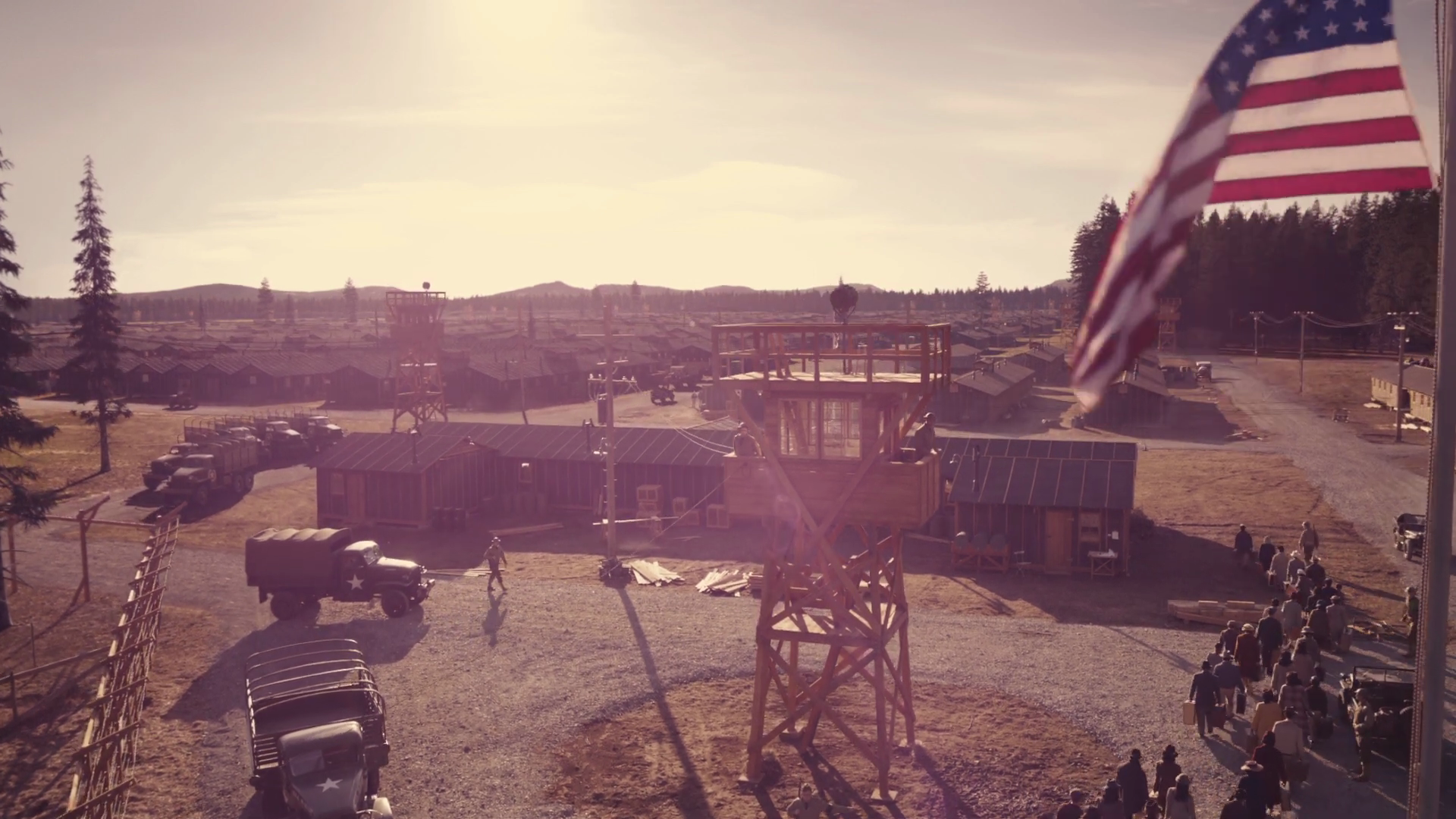
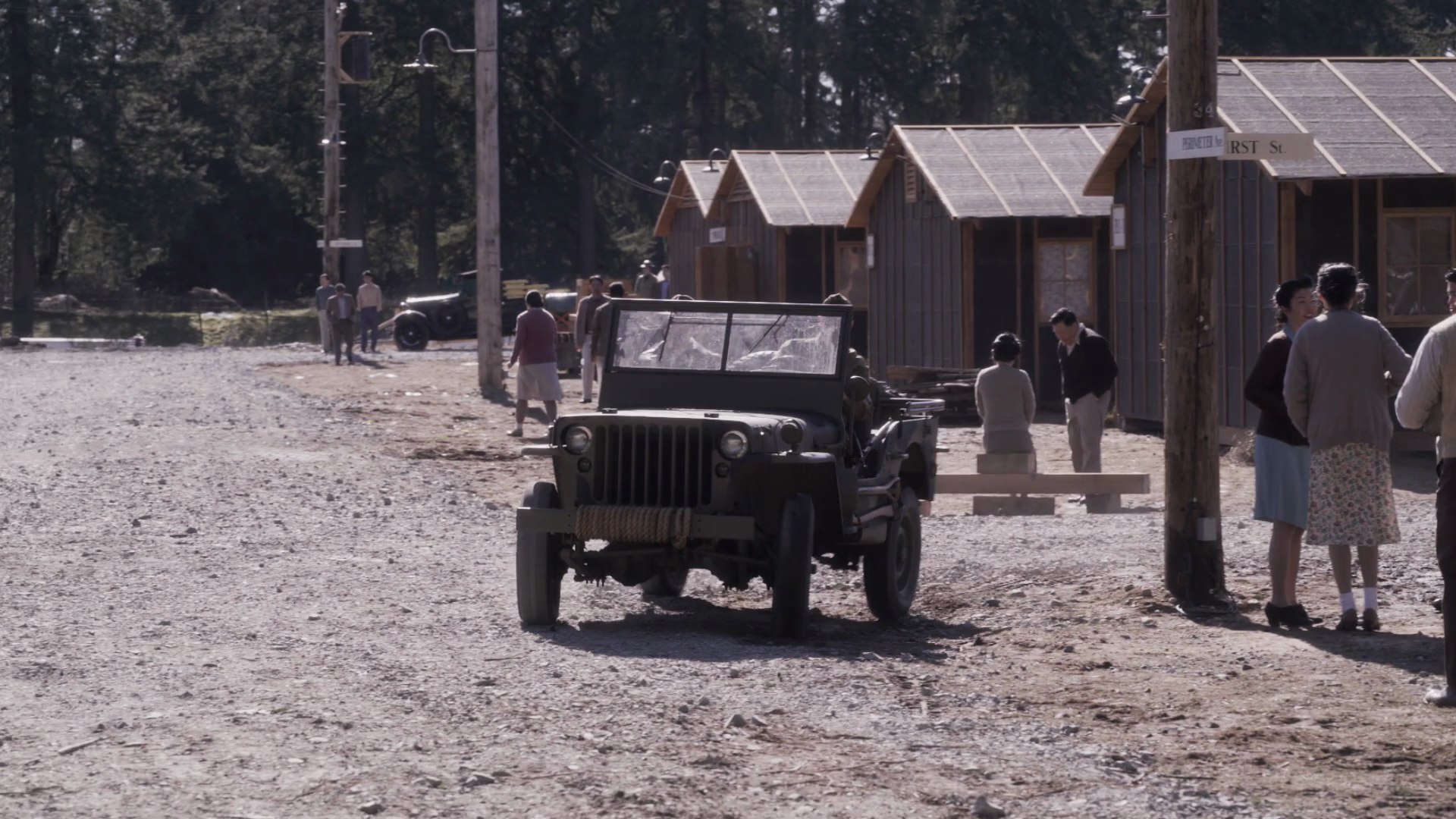
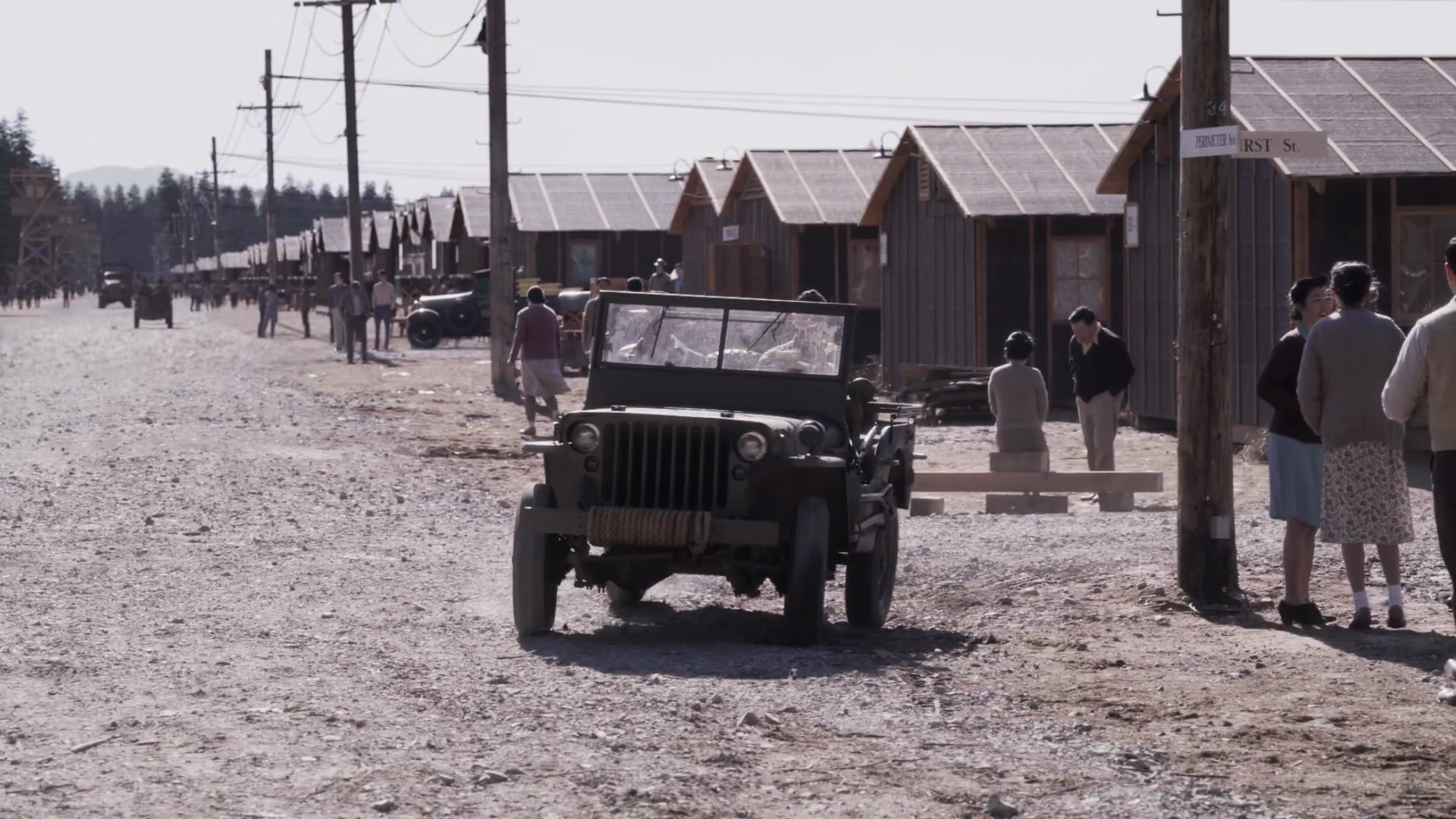
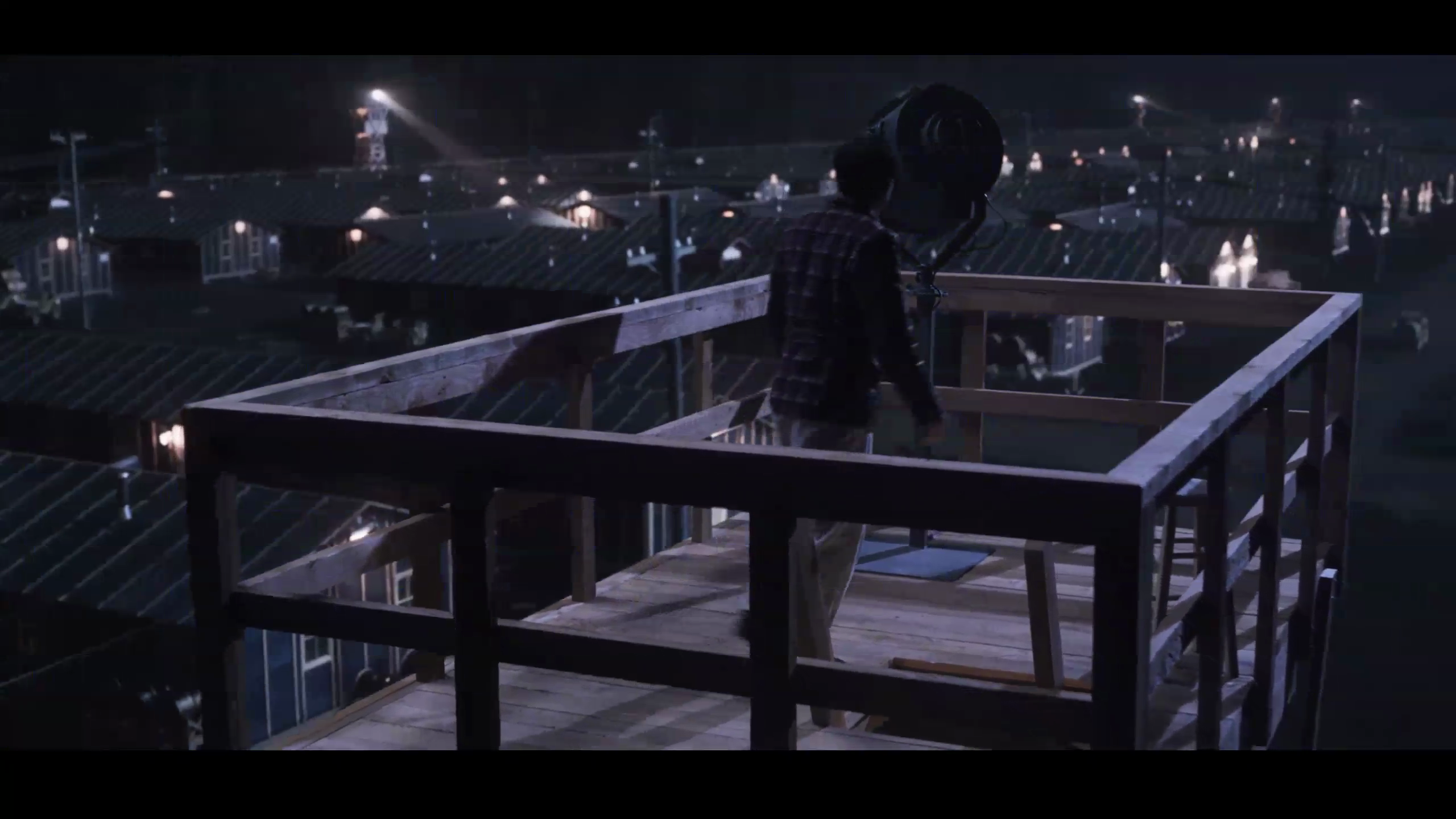
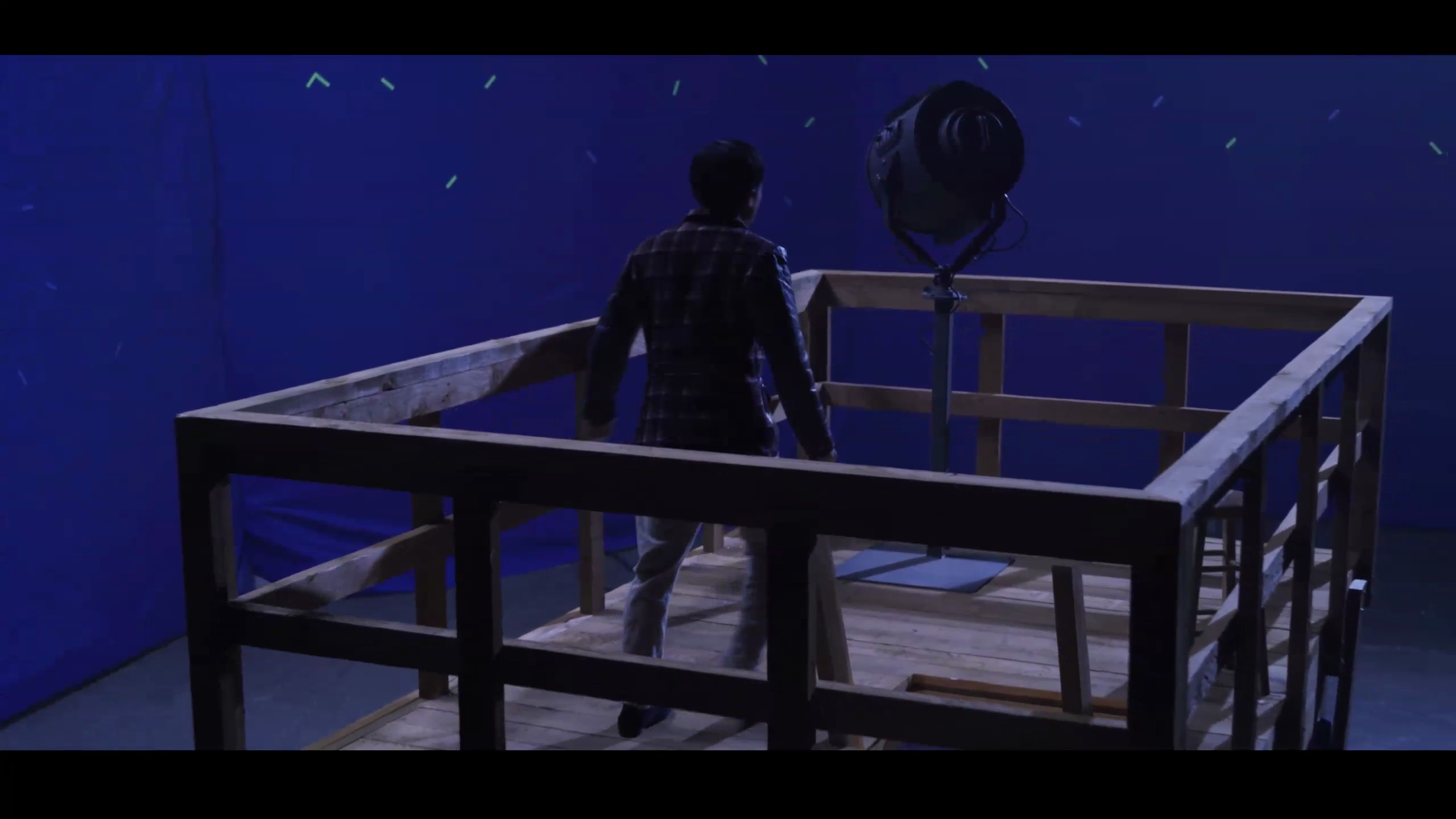
On The Terror: Infamy, our incredible production team constructed Colinas de Oro, a meticulously designed fictional camp that represented the many infamous historical internment camps during WWII. However, even at its multi-acre scale, it represented only a fraction of a real internment camp’s size. Our team’s LiDAR scanning of the set was essential in ensuring seamless digital extensions that maintained the historical and architectural accuracy of the era as we extended the environment around our practical shoot.
By scanning the physical set, the VFX team had a precise digital model to align CG elements, eliminating the need for manual measurements and approximations. This ensured that the scale, perspective, and continuity of digital extensions integrated naturally into the live-action footage. Without LiDAR, achieving this level of accuracy—especially across multiple camera setups—would have been significantly more labor-intensive and lacking the precise fidelity needed to appear photoreal.
Invisible VFX: Matching Present-Day Locations
While The Terror required creative set extensions, Surface posed a different challenge:
Seamlessly integrating varied geographic locations into modern-day San Francisco. One of the show’s primary locations, Pier 41, was shot in an entirely different city and had to be digitally extended and surrounded by San Francisco Bay to align with its real-world counterpart.
Having the proper LiDAR data provided a precise foundation, allowing VFX teams to camera track and setup consistent layout to produce seamless and invisible environments around our practical pier, allowing the viewer to be transported but never taken out of the story.
Preserving Temporary Sets and Fast-Paced VFX Workflows
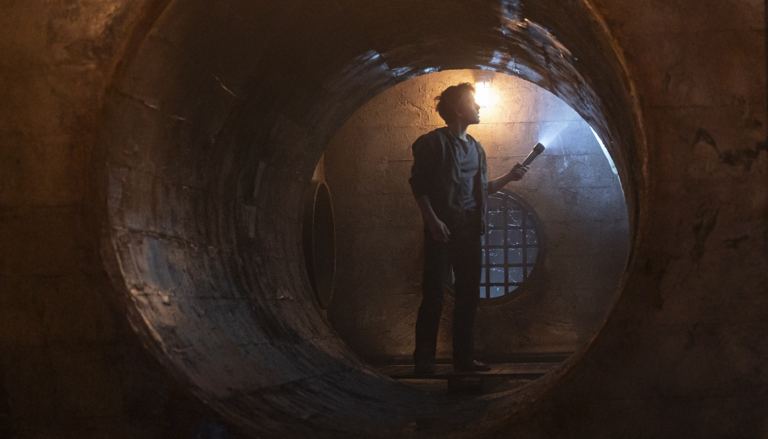
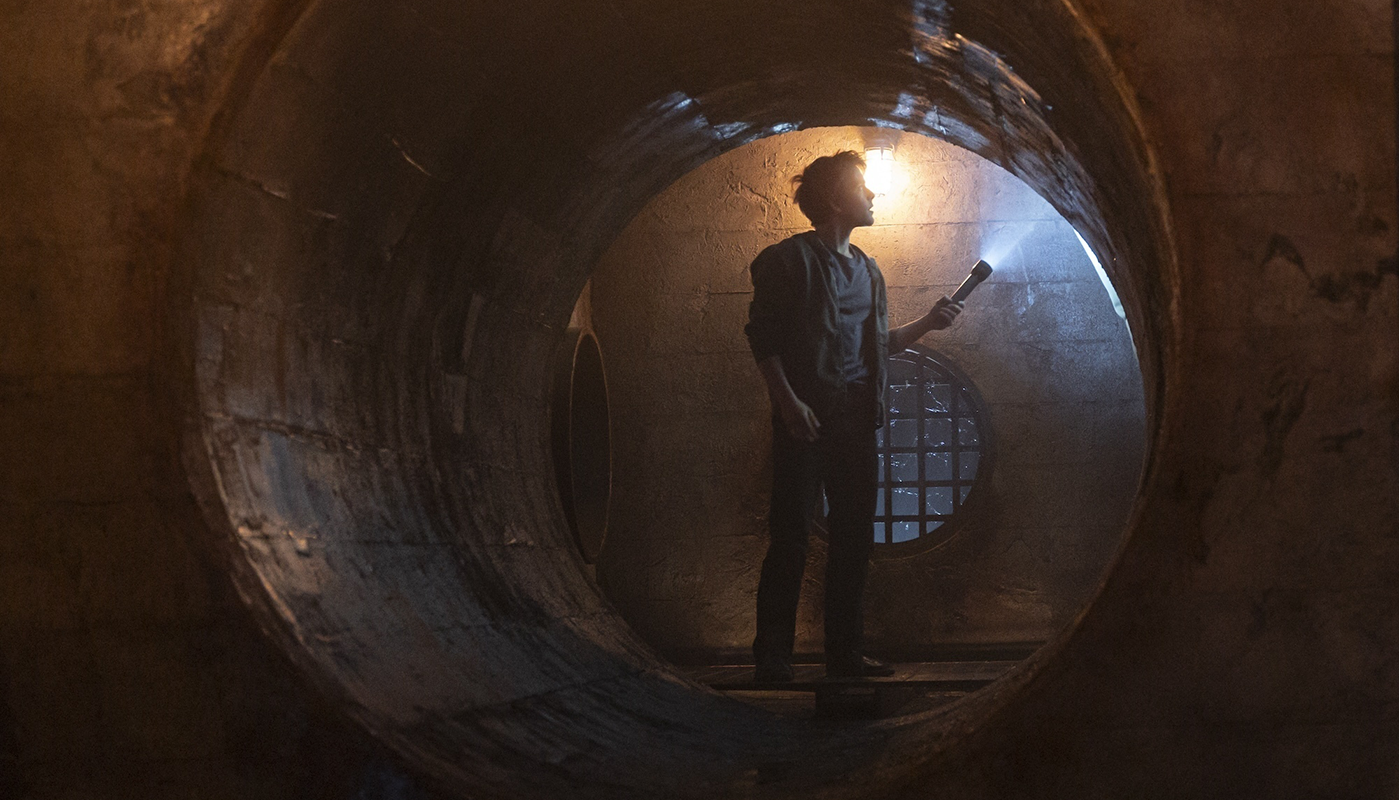
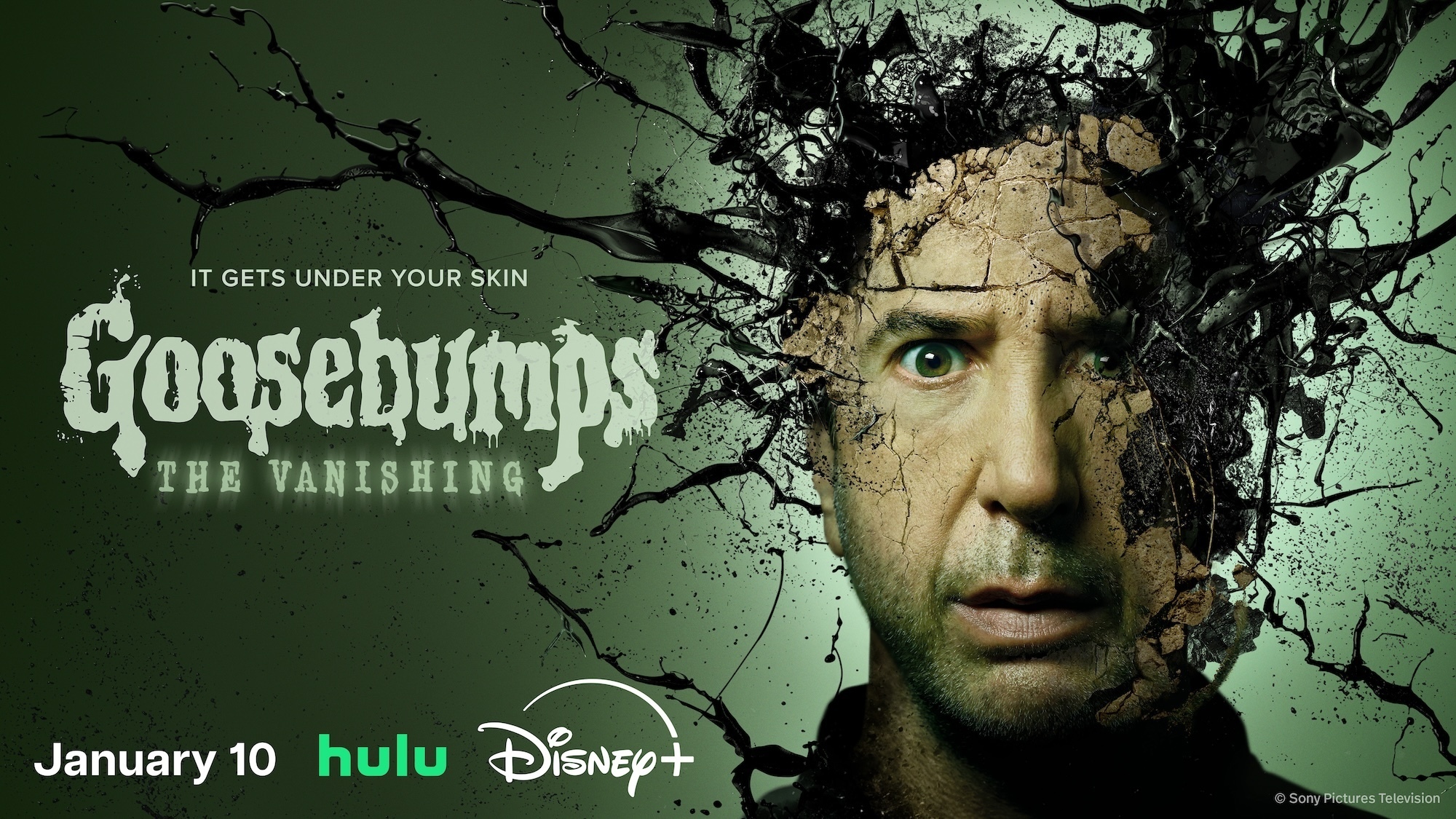
In Goosebumps Season 1, the need for LiDAR went beyond set extensions—it was critical for preserving locations and sets that could not be revisited. Some key environments, such as our Biddle House and the surrounding forest, were used repeatedly, while others were one-time-use locations that required extensive CG integration or sets that would need to be collapsed to make room for additional builds.
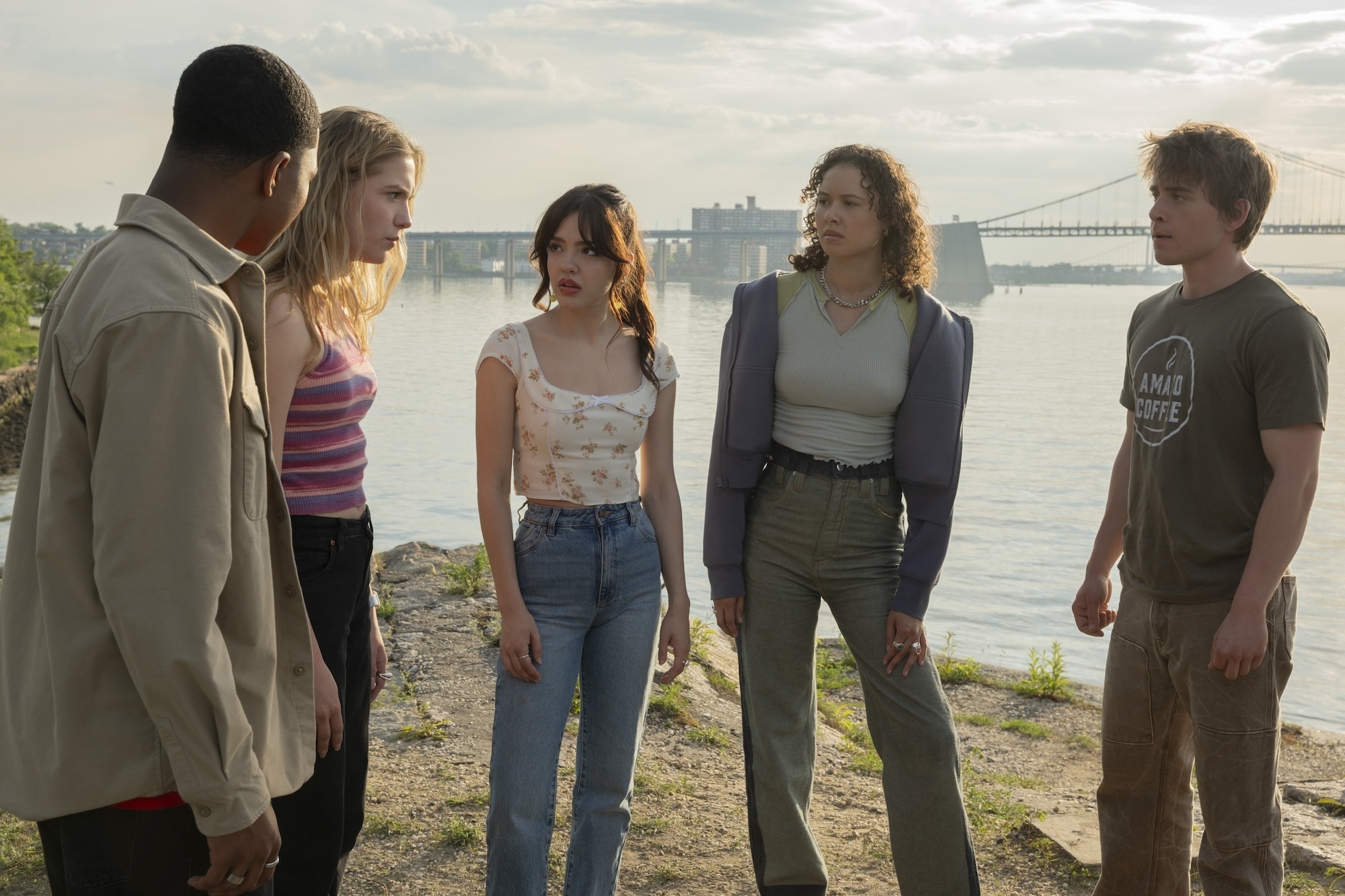
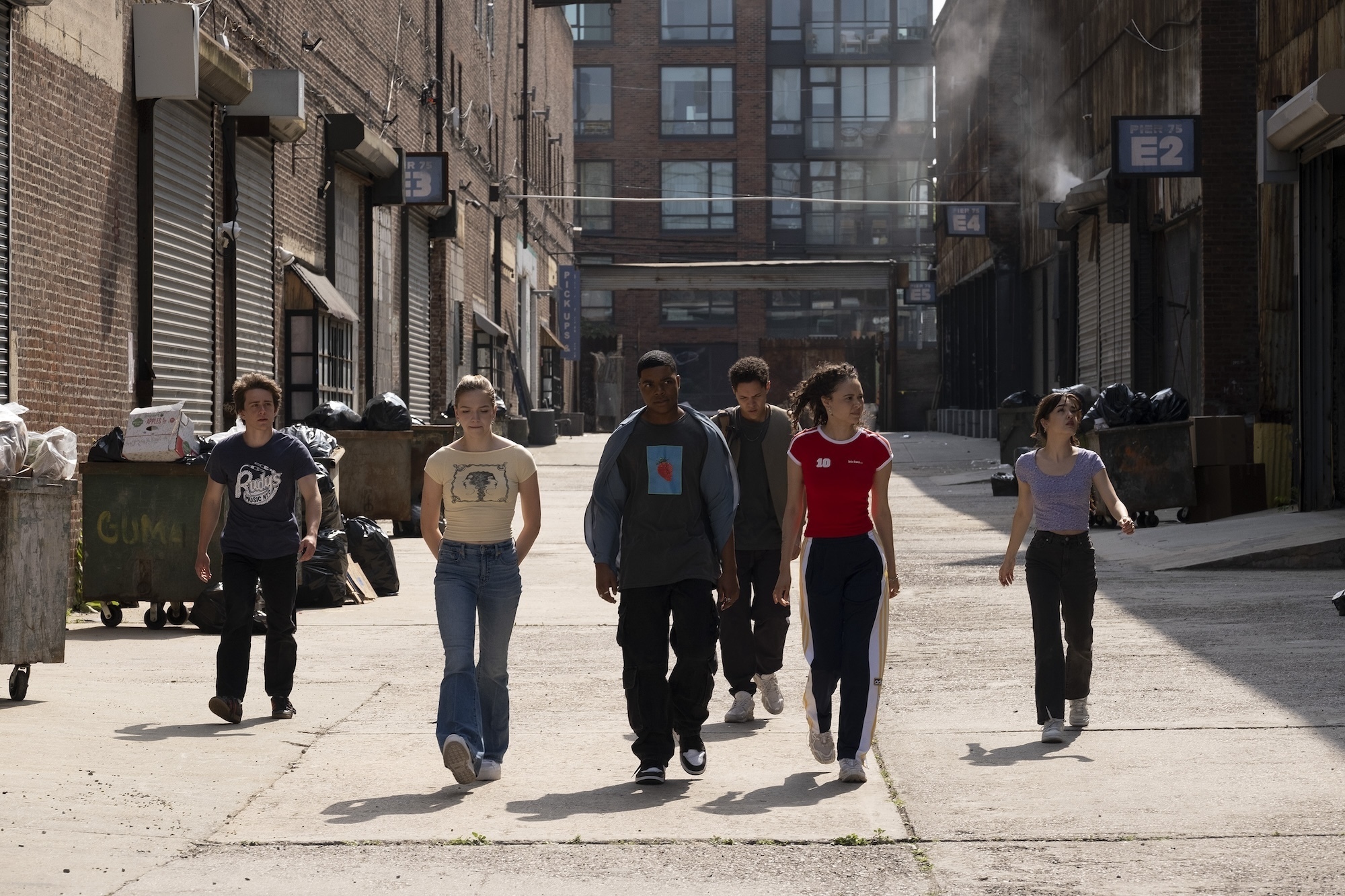
Season 2, set in Brooklyn, introduced new challenges. Limited production access to real-world locations meant that environments had to be captured quickly and accurately. Additionally, we had an increase in temporary built sets that had to be torn down well before editorial was locked, making LiDAR scans the only way to digitally reference or reconstruct locations for reshoots or additional CG work.
The ability to have an exact digital replica of a location proved especially critical for effects-heavy sequences, such as our season 1 Worm Horde episode and our season 2 Monster Blood episode, where CG creatures and fluid simulations had to interact tightly with real-world surfaces. Our LiDAR scans provided the necessary precision, ensuring that tracking data, layout, and CG interactions were grounded in real-world physics. As well as the flexibility to reimagine or adjust creature performance as editorial changes dictated.
The Leica RTC360: Our Speedy Workhorse
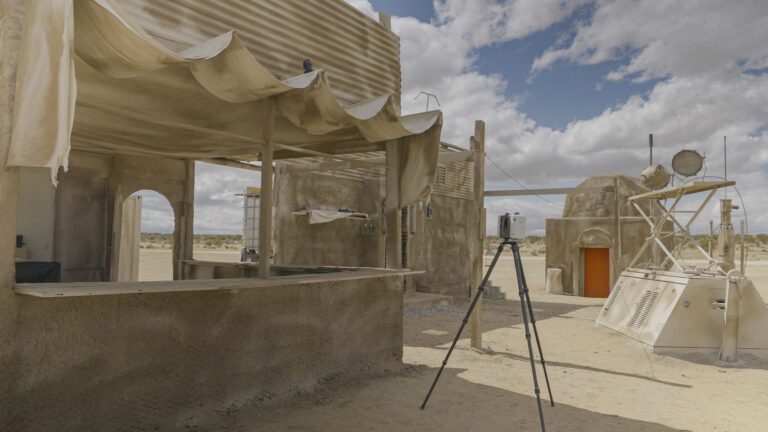
As with all the tools we use in filming and production, speed is always the limiting factor—particularly when scanning environments under tight daily shoot schedules. One of my team’s favorite features of the Leica RTC360 scanner is its speed, delivering high-resolution scans in minutes. That means not just getting the job done quickly but being able to even be allowed to scan in the first place. VFX is forever at a cross section of value and return on time. Our role is always to steal as little of the AD’s schedule to provide our directors and producers with leveraged creative visuals in their final product.
One of our RTC360’s most valuable features while working in busy public locations (or amongst busy crew members) is the double scan feature to compensate for moving elements in your location. On Goosebumps, this meant we could scan crowded subway stations, busy street locations, and production-heavy sets without disrupting filming. In traditional workflows, scanning would have required cleared sets and additional time, but with the RTC360, we could integrate scanning directly into production without delay.
For productions with compressed schedules, like Goosebumps Season 2, this meant that crucial location data could be captured and provided to vendors within extremely tight windows—ensuring that VFX teams had the information needed to move their work through the tracking/layout stage and into animation and modeling.
The Growing Uses for LiDAR Throughout the Production Workflow
As streaming and theatrical continue to push higher production values on tighter schedules, our reliance on quick, accurate LiDAR data will remain essential for fast, precise, and seamless digital integration. The use cases for LiDAR are ever growing in all stages of production. From scouting and previz based on early location scans and even partial set builds to translating story locations into mixed media offerings, I know my RTC360 will continue spinning, gathering the real-world data needed to deliver high-fidelity, immersive visuals that stand up to the scrutiny of experienced audiences.
Interested in adding the Leica RTC360 to your production toolkit? Click here to get started.